
Rotational instability is not captured fully by anterior translation alone. In daily practice, pivot shift quantification helps clinicians move from a subjective impression to a more reproducible understanding of rotational knee laxity, especially after ACL injury or reconstruction. For orthopaedic surgeons, sports physicians, physiotherapists, and researchers, the challenge is not just detecting instability, but identifying which structures may be contributing, how severe the dynamic phenomenon is, and whether residual instability is likely to matter clinically. This guide reviews why pivot shift quantification matters, how to interpret it, where the lateral side fits in, and how objective testing can complement examination, MRI, and decision-making.
1. Why pivot shift quantification matters in modern knee assessment
The pivot shift remains one of the most clinically meaningful tests for dynamic instability after ACL injury because it reflects the combined effect of anterior subluxation, reduction, and rotational control during motion. However, traditional grading is examiner-dependent. That is why pivot shift quantification has become increasingly important when clinicians want better reproducibility, research-grade comparison, or more precise treatment planning.
In practical terms, pivot shift quantification tries to convert a subjective glide, clunk, or reduction into measurable variables such as acceleration, translation, reduction event magnitude, or coupled rotation. This is especially relevant in high-demand athletes, revision settings, and suspected ACL residual rotational instability after reconstruction.
If you want a clinical overview of what a more obvious pivot shift may imply during examination, see this discussion of high-grade pivot shift.
A key limitation of relying only on anterior drawer or Lachman-type metrics is that they may underrepresent the dynamic instability patients actually feel during cutting, deceleration, or change of direction. This is why pivot shift quantification is best understood as part of a broader objective knee examination, not as an isolated number.
Clinically, pivot shift quantification is most useful when the question is not simply “Is the ACL torn?” but rather:
- How much dynamic knee instability testing evidence is present?
- Is the instability mainly sagittal, rotational, or combined?
- Could the lateral structures be contributing?
- Is there enough residual instability to change treatment strategy?
2. pivot shift quantification beyond anterior translation
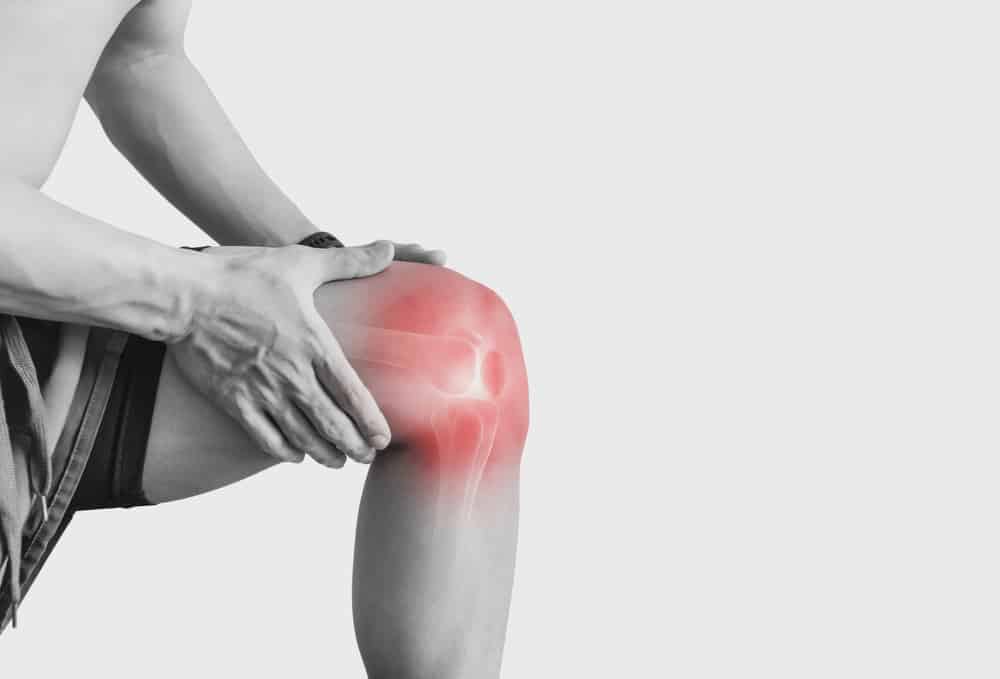
At its core, pivot shift quantification addresses a clinical blind spot: anterior tibial translation is only one component of instability. The pivot shift is a coupled phenomenon that often includes subluxation-reduction behavior, valgus loading response, and rotational escape. A patient can have modest static laxity but still demonstrate significant dynamic instability.
This is where concepts such as kinematic assessment of pivot shift and tibial internal rotation measurement become clinically relevant. They help describe how the knee behaves through motion rather than only how far it translates under a single linear force.
2.1 What the pivot shift is actually capturing
The classic pivot shift reflects failure of restraint against anterolateral rotatory instability. In ACL-deficient knees, the lateral tibial plateau may sublux anteriorly in early flexion and reduce as flexion progresses. The observed phenomenon depends on several variables:
- ACL integrity and graft function
- Anterolateral restraint status
- Lateral meniscal and capsular contribution
- PLC involvement in selected cases
- Examiner technique and patient relaxation
This is exactly why pivot shift quantification should not be interpreted as a pure ACL number. It is a whole-knee dynamic marker influenced by multiple structures.
2.2 Why translation-only metrics can miss clinically important instability
Static sagittal testing remains essential, but it does not always reflect the instability patients report in sport. In some postoperative cases, the graft may appear acceptable on simple translation measures while the athlete still describes giving way during rotation. That gap often points toward residual rotational problems, stiffness deficits, or untreated lateral-side pathology.
For a broader framework on measuring instability across more than one plane, this multi-axis workflow is useful. It aligns with the idea that pivot shift quantification belongs inside a wider model of rotational knee assessment, not just an ACL binary diagnosis.
It is also worth considering how compliance and endpoint behavior complement displacement measures. Translation alone may not tell the full story of graft function or restraint quality, which is why stiffness-oriented interpretation can be helpful alongside pivot shift quantification. See this article on stiffness metrics.
3. ACL, anterolateral complex, and lateral-side contributors
When pivot shift quantification is higher than expected, the next clinical question is usually anatomical: what is driving it? In many knees, the ACL is only part of the explanation. The anterolateral complex injury pattern, lateral capsular structures, meniscal damage, and selected posterolateral injuries can all influence rotational behavior.
A useful anatomical refresher is available in this review of knee structures, especially when interpreting why not all pivot shifts behave the same way.
Willinger et al. (2026) reported that posterolateral tibial plateau fractures were associated with anterolateral complex injuries in primary ACL injury. That matters because bony injury patterns can act as clues that apparently isolated ACL tears may in fact involve more extensive rotational restraint damage. In those cases, pivot shift quantification may help identify knees where translation-only assessment underestimates the problem.
Lateral extra-articular procedures are also highly relevant here. Şahbat et al. (2026) found that deep LET was associated with improved tibial internal rotational stability and favorable patient-reported outcomes compared with superficial LET in high-grade pivot-shift male patients undergoing hamstring ACL reconstruction. Similarly, Thürig et al. (2026) reported superior stability with LET in ACL reconstruction with posterolateral tibial fracture.
These studies support a key point: pivot shift quantification may have particular value when deciding whether isolated intra-articular reconstruction is enough, or whether a lateral augmentation strategy deserves consideration.
For clinicians considering the relationship between extra-articular procedures and measurable stability, this discussion of LET surgery adds helpful context. In combined procedures, rotational control is often the key goal even when sagittal metrics also improve.
Where reconstruction strategy extends to the anterolateral ligament or related structures, this page on ACL+ALL reconstruction may also be relevant.
4. How to interpret pivot shift quantification in clinical decisions
pivot shift quantification is most useful when it changes clinical thinking. The absolute number matters less than the context: symptoms, exam quality, MRI findings, associated lesions, activity demands, and side-to-side comparison.
4.1 When the result is clinically useful
Consider pivot shift quantification particularly valuable when:
- The manual pivot shift is difficult to grade consistently
- The patient reports giving way despite limited static laxity
- There is concern for ACL residual rotational instability after reconstruction
- You suspect an anterolateral complex injury or combined lateral pathology
- You are planning revision surgery or a lateral augmentation procedure
Nakamae et al. (2026) examined factors affecting quantitative pivot shift values using a navigation system in ACL-injured knees. That kind of work is clinically important because it reminds us that measured pivot shift values are influenced by more than ligament status alone. Technique, reduction pattern, and structural context all matter when interpreting numbers.
4.2 A short decision aid
When using pivot shift quantification, a practical sequence is:
- Confirm symptom pattern and instability mechanism.
- Perform standard clinical examination, including Lachman, pivot shift, collateral and posterolateral testing.
- Review MRI to assess meniscus, cartilage, bone bruising, fractures, and associated ligament injury.
- Interpret the quantitative result as a functional marker, not a stand-alone diagnosis.
- Decide whether the finding changes rehab, surgical planning, return-to-sport timing, or revision strategy.
This is also where objective laxity testing knee can support consistency across visits and between clinicians. The goal is not to replace clinical judgment, but to reduce ambiguity.
In rehabilitation and performance pathways, rotational deficits may persist even when strength milestones are achieved. That is why rehab milestones should not be assumed to reflect mechanical stability. Likewise, return-to-sport decisions are stronger when objective stability data are interpreted alongside function and symptoms, as discussed in return-to-sport criteria.
5. Where instrumented and robotic testing fits
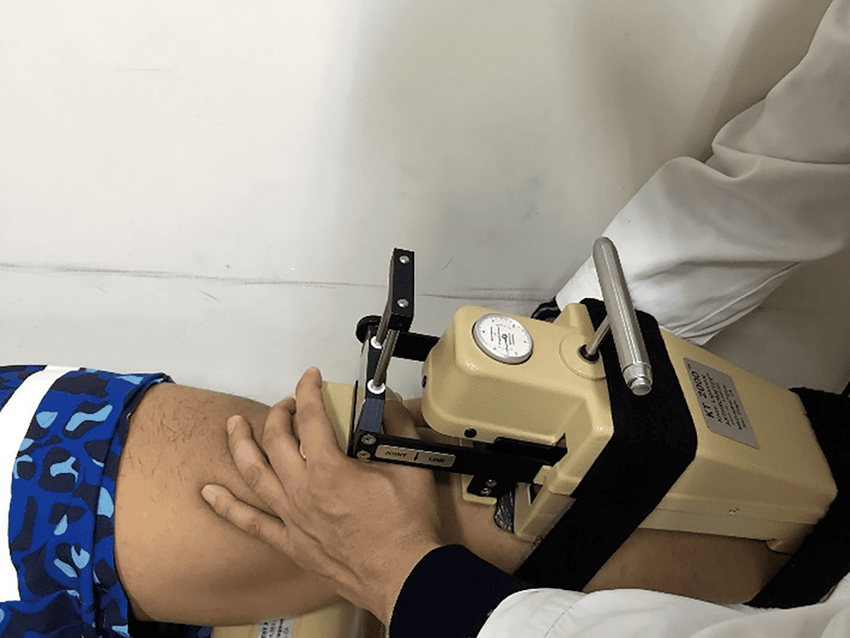
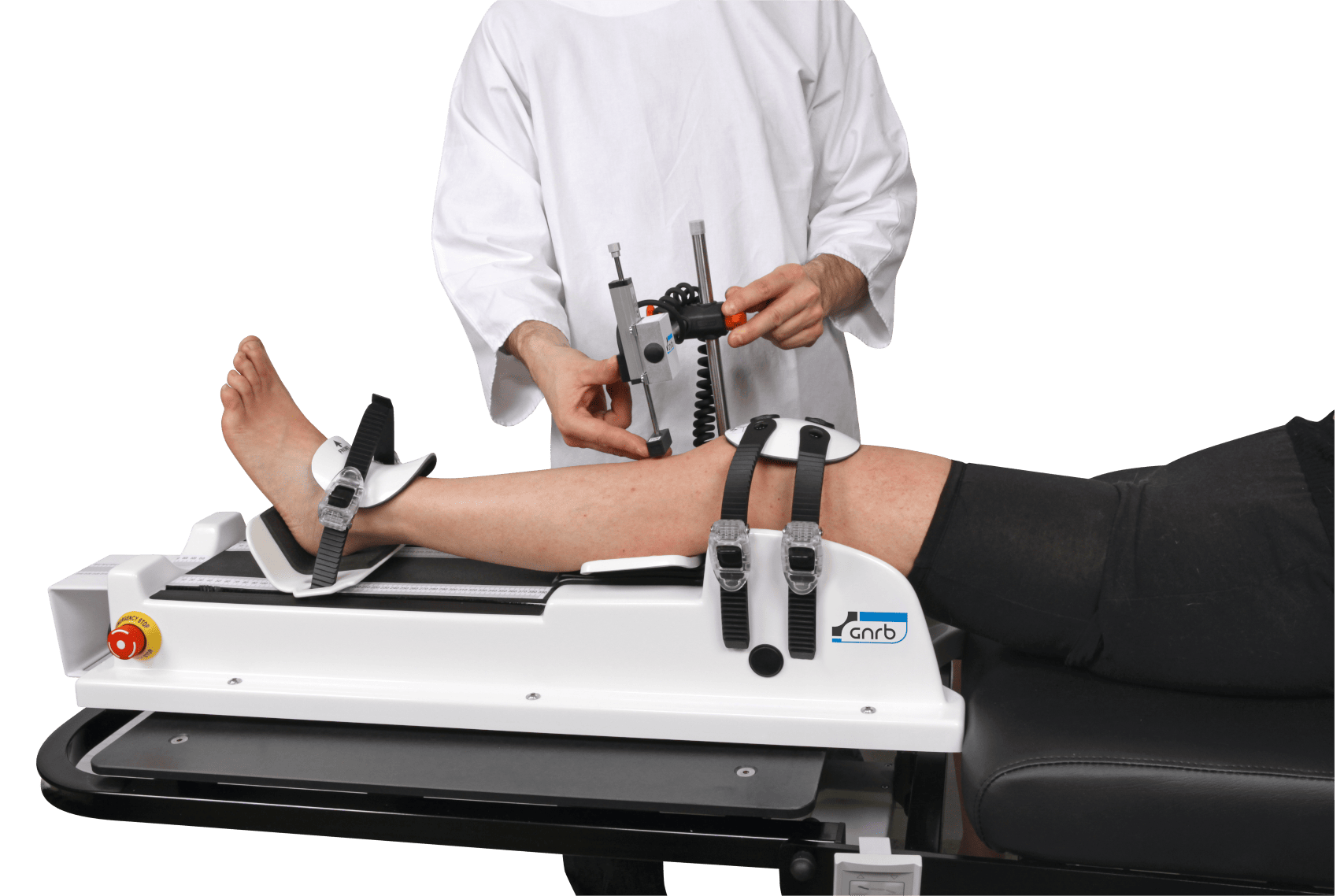
Because this topic centers on dynamic rotational behavior, a dedicated role exists for structured measurement tools. An instrumented pivot shift test or related platform may help quantify reduction events, acceleration, displacement, or coupled motion in a way that complements the bedside exam. More broadly, dynamic knee instability testing can add functional information that MRI does not capture directly.
This point is especially relevant in equivocal cases, partial ACL presentations, and postoperative knees where symptoms and standard imaging do not fully explain instability. Objective testing may quantify side-to-side behavior and dynamic response patterns, while MRI remains complementary and is typically needed to assess meniscal, chondral, and bony injury as well as to support pre-operative planning when reconstruction is considered.
For a broader overview, see dynamic testing. In clinics using dedicated devices, GNRB arthrometer assessment and Dyneelax knee arthrometer workflows may contribute objective data within a clinician-led assessment pathway.
The key limitation is straightforward: no device should be treated as a stand-alone answer to rotational instability. pivot shift quantification gains value when integrated with anatomy, symptoms, examination, and imaging.
6. Pitfalls, nuance, and what to do next
pivot shift quantification is attractive because it promises objectivity, but interpretation can still go wrong. A measured value may be affected by guarding, anesthesia status, technique variation, associated lesions, and the exact variable being captured. Not all systems quantify the same thing, so direct comparison between studies or devices can be difficult.
Fukushima et al. (2026) evaluated time-zero quantitative pivot shift after combined ACL and ALL reconstruction in grade 2 to 3 pivot-shift knees, comparing single-bundle and double-bundle hamstring ACL reconstruction. For clinicians, this reinforces that pivot shift quantification is not just a diagnostic tool. It may also help compare reconstructive strategies when the treatment goal is better rotational control.
Common pitfalls include:
- Overinterpreting a single number without symptom correlation
- Ignoring lateral meniscus, capsule, or bony injury
- Equating low anterior laxity with low rotational instability
- Using pivot shift quantification without documenting exam conditions
- Failing to consider tibial internal rotation measurement and coupled kinematics in complex cases
In research settings, kinematic assessment of pivot shift can be particularly valuable because it allows more granular comparison of reconstruction techniques, lateral augmentation choices, and postoperative recovery trajectories. In clinical practice, the goal is simpler: identify whether the knee behaves in a way that changes management.
Ultimately, pivot shift quantification should sit alongside history, manual examination, MRI, and broader objective laxity testing knee methods. It is most powerful when used to answer a focused question, such as whether a patient with persistent instability symptoms has meaningful rotational deficiency despite acceptable sagittal findings.
7. Key takeaways and next steps
pivot shift quantification matters because rotational instability is a dynamic, multi-structure problem. It can improve clarity when manual grading is uncertain, when postoperative symptoms persist, or when clinicians suspect an anterolateral complex injury or other lateral restraint deficiency.
The main clinical message is simple: do not reduce instability assessment to anterior translation alone. pivot shift quantification can sharpen decision-making, but only when interpreted within a complete pathway that includes clinical exam, MRI, associated injury assessment, and patient-specific goals.
For next steps, clinicians may consider:
- Standardizing how the pivot shift is performed and recorded
- Using quantitative tools where available for difficult or high-stakes cases
- Looking carefully for lateral and bony injury patterns when rotational findings seem disproportionate
- Following mechanical stability over time when guiding rehab progression and return to sport
Used thoughtfully, pivot shift quantification does not replace clinician judgment. It strengthens it.
Clinical references (PubMed)
1) 2026 – Nakamae et al. – Factors Affecting the Quantitative Value of the Pivot Shift Test Using a Navigation System in Anterior Cruciate Ligament Injured Knees. – J Knee Surg – DOI: 10.1055/a-2865-3249 – PMID: 42057414 – PubMed
2) 2026 – Fukushima et al. – Time-zero quantitative pivot-shift after combined anterior cruciate ligament and anterolateral ligament reconstruction in pivot-shift grade 2-3 knees: single- versus double-bundle hamstring anterior cruciate ligament reconstruction. – Knee – DOI: 10.1016/j.knee.2026.104449 – PMID: 41990689 – PubMed
3) 2026 – Willinger et al. – Posterolateral tibial plateau fractures are associated with anterolateral complex injuries of the knee in primary ACL injury. – Knee Surg Sports Traumatol Arthrosc – DOI: 10.1002/ksa.70393 – PMID: 41979380 – PubMed
4) 2026 – Şahbat et al. – Deep lateral extra-articular tenodesis (LET) is associated with improved tibial internal rotational stability and favourable patient-reported outcomes compared with superficial LET in high-grade pivot-shift male patients undergoing quadrupled hamstring autograft ACL reconstruction. – Knee Surg Sports Traumatol Arthrosc – DOI: 10.1002/ksa.70372 – PMID: 41758989 – PubMed
5) 2026 – Thürig et al. – Lateral Extra-articular Tenodesis Provides Superior Stability in ACL Reconstruction With Posterolateral Tibial Fracture. – Am J Sports Med – DOI: 10.1177/03635465261423212 – PMID: 41782556 – PubMed