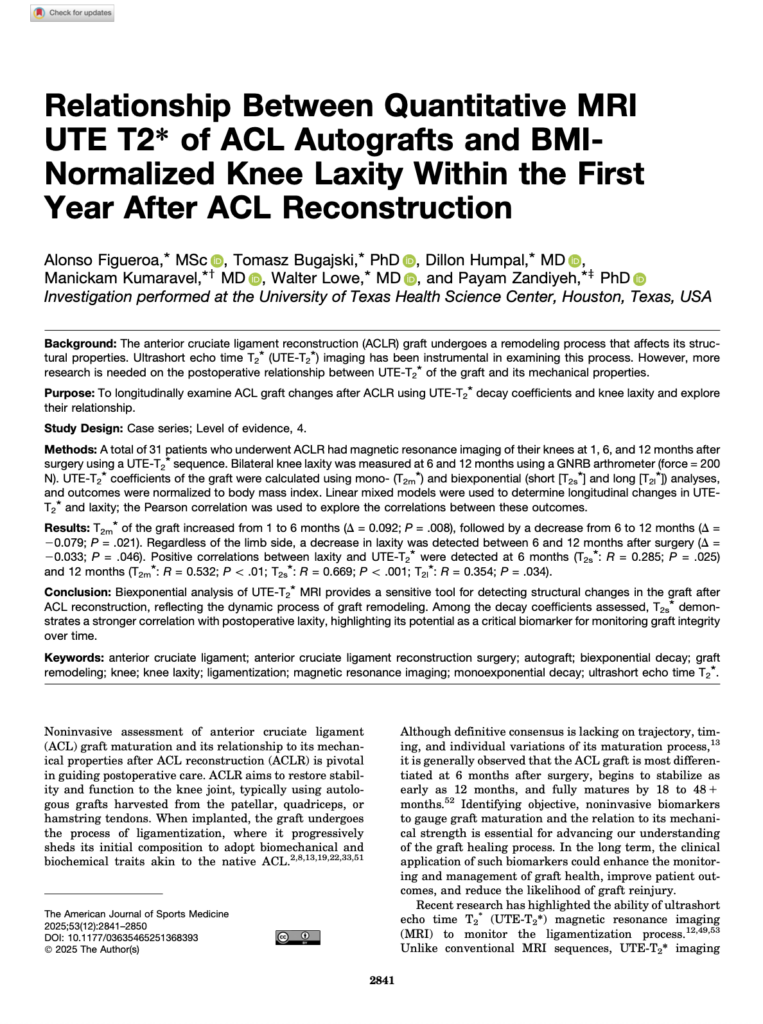
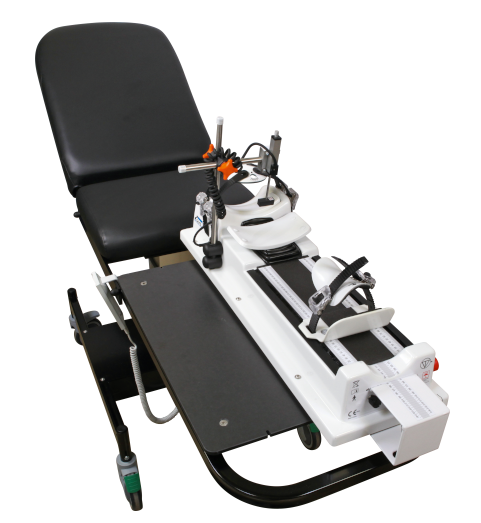

GNRB - ACL Assessment Arthrometer
Knee Ligament Analysed: ACL & PCL
Movement Measured: Anterior & Posterior Tibial Translation
For orthopedic surgeons, radiologists, physiotherapists, and sports doctors, Genourob provides advanced knee health tools. The GNRB arthrometer offers unmatched precision in assessing knee stability, crucial for early ligament injury detection. It's instrumental for prompt, effective treatment, reflecting Genourob's dedication to pioneering medical solutions that enhance patient care and diagnostic proficiency.
This device is an innovative medical instrument tailored for the detection, prevention, rehabilitation, and continuous observation of patients suffering from knee ligament impairments. It delivers meticulous evaluations of knee laxity by executing automated anterior drawer evaluations examinations, with a primary emphasis on the anterior cruciate ligament (ACL).
What is GNRB?
Unlock unparalleled clarity in knee ligament assessment with GNRB: where precision meets simplicity, redefining the gold standard in ligament diagnostics & Treatment.
Injury Diagnosis (ACL tears, including partial tears)
Surgical Planning (Meniscus & Laxity)
Post-op monitoring / graft & laxity evolution
Imaging Correlation (MRI biomarkers + objective laxity)
Anterior/Posterior Tibial Translation
Diagnose Partial & Complete ruptures of the Anterior Cruciate Ligament (ACL) and the Posterior Curciate Ligament (PCL).
Measure the state of resistance of the ACL/PCL by applying automated anterior/posterior tibial translation.
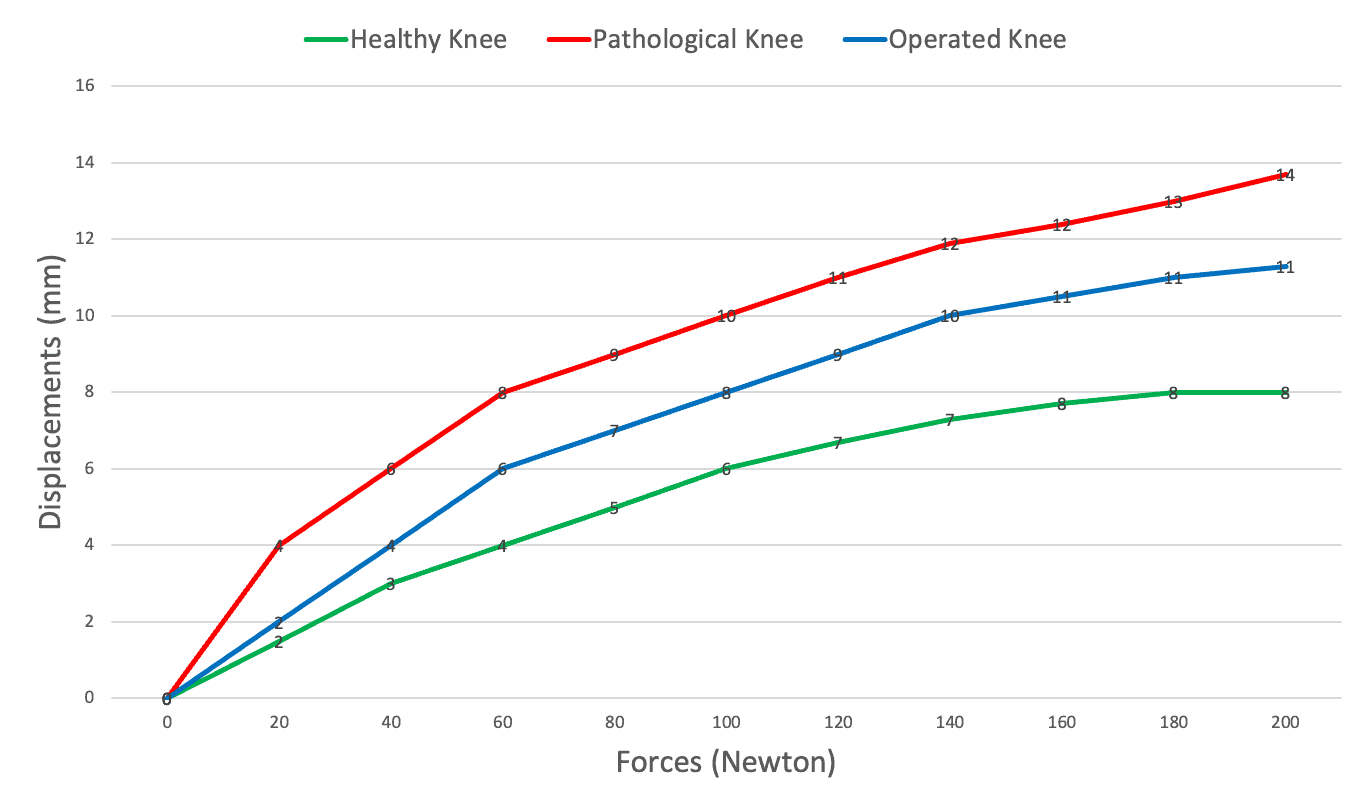
Results are shown under the form of compliance curves (force/displacement curves) + Tables Chart with displacement data.
Stop measuring laxity alone
Measure Ligament Comliance
Why does compliance outperform laxity alone?
Laxity is a single value. Compliance captures the full force–displacement curve, revealing how the ligament behaves under load—for clearer diagnosis, planning, and follow-up.
Clinical Benefits Across the Entire Knee Ligament Pathway

Identify partial ACL tears with dynamic testing and objective measurements.
Turn instability into measurable data—not just static imaging.

Combine GNRB dynamic stability data with MRI to better identify the state of the ACL & PCL structures.
This supports more precise surgical decisions and a patient-specific reconstruction strategy.
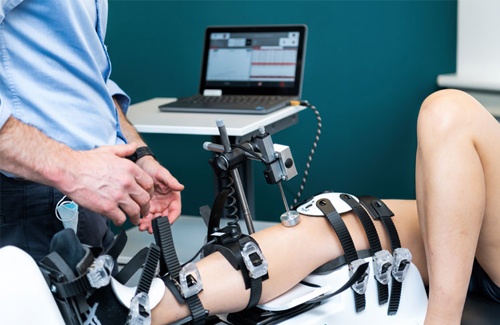

Thanks to our system's high reproducibility, we maximize the effectiveness of early detection and preventive strategies, paving the way for ongoing follow-ups.
.

Enable graft monitoring after ACL reconstruction through serial, objective stability measurements.
Optimize key milestones: isokinetic strength testing, rehab progression, and safer return-to-sport timing.
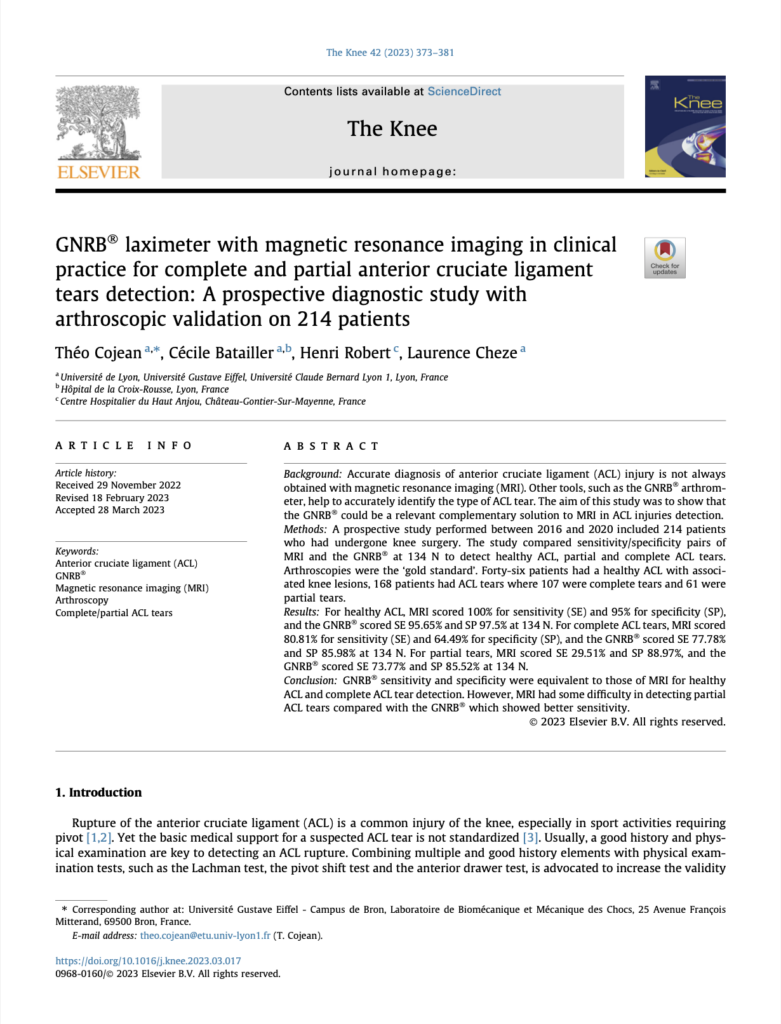
DOI: 10.1016/j.jor.2023.03.016
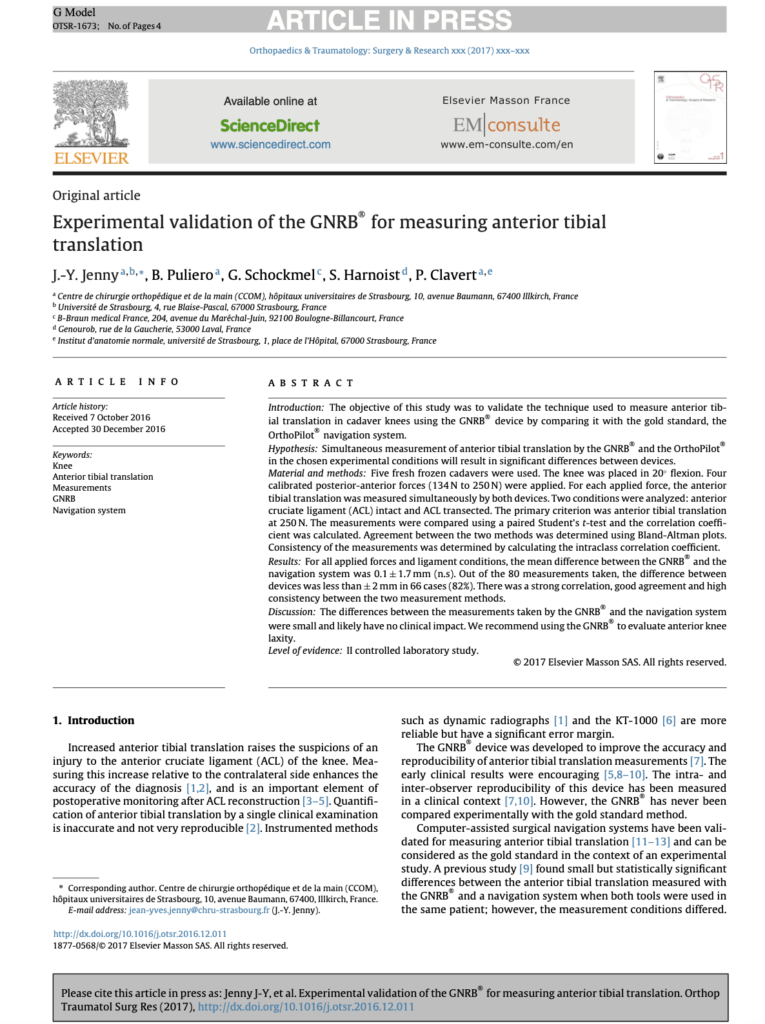
DOI: 10.1016/j.otsr.2016.12.011


What are the Technical Specifications of GNRB?
Main Specifications
- The medical device is a device to help diagnose partial or total lesions of the knee’s cruciate ligament
- Must be used by a healthcare professional
- The device can be used to help with diagnosis, to follow the evolution of a pathology or ligamentoplasty (cruciate ligament operation).
- The principle of the device is to apply a thrust force on the calf thanks to an articulated mechanical system and to record the displacement of the tibia in relation to the femur for each force thanks to a sensor placed on the Anterior Tibial Tuberosity (ATT).
- Measurements are taken on both lower limbs and the analysis of the lesions can be done by observingthe difference between these two values and especially by comparing the slope of the curves obtained.
- The system includes a 3-level safety system based on mechanic and software controlled mechanism.
Software Specifications
- The software ensures optimal use of the product to avoid handling errors. Very intuitive and easy to use, the operator is guided on the different parameters to be validated before launching the tests.
- The system allows for easy register of patient.
- The software should automatically apply chosen test.
- The software helps to practice a test with the same parameter from the most recent examen.
- The software offers a easy-to-read graphs with colors accompanied by a chart.
Standard Accessories
- Operating instructions
- Computer/tablet
- Software
- Power cable
- USB cable
Optional Accessory
- PCL Option
- Rotab Option
- Radio Option
Technical Data
- Power Supply: Input Voltage 230 VAC, Input Frequencies 50 or 60 Hz
- Dimension (standard position): 930 x 270 x 500 mm
- Weight: 15Kg
- Maximum Patient Weight: 135Kg